


What Leash Reactivity Really Looks Like (and Why It Happens)
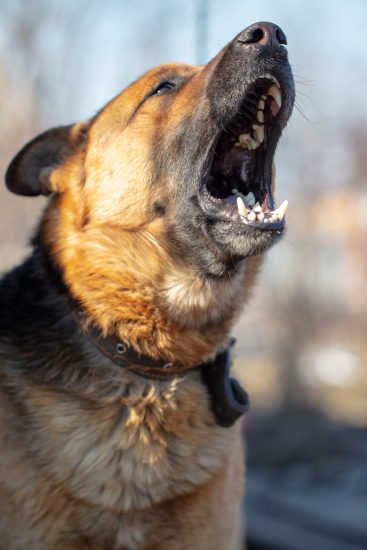
You’re walking your dog, coffee in hand, when suddenly the calm breaks—barking, lunging, spinning, heavy panting. The leash goes tight, your heart rate spikes, and before you know it, you’re both tangled in a storm of emotion.
Reactivity shows up differently in every dog. Some bark sharply and lunge; others freeze, whine, or spin. I see owners gripping the leash tighter, wrapping it around their hands, scanning constantly for triggers, and even walking at odd hours to avoid other dogs altogether.
Underneath it all is tension—emotional and physical. Dogs stiffen, stare, and pant heavily, while their humans carry the same stress down the leash.
- Overstimulation and lack of structured exposure.
- Insecurity or fear from poor early socialization.
- Frustration in overly social dogs who can’t greet everyone.
- Poor leash handling or oppositional reflex (pushing against pressure).
- Accidental reinforcement of barking or avoidance because silence feels like success.
The First 14 Days: Building Calm Communication
Every training journey starts with three goals:
- Choice – Teaching the dog that calm decisions bring good outcomes.
- Communication – Clear signals between handler and dog, without emotion.
- Movement – Learning to move together, not against each other.
In the first two weeks, I focus on connection—not correction. I teach dogs to self‑soothe, settle, disengage and re‑engage. I separate structure walks from playtime so they understand when we’re training and when we’re just being dogs.
Tools That Teach, Not Control
Equipment should teach, not trap. I often start with slip leads or martingales—tools that help prevent escape while promoting gentle communication.
If a dog is strong, I may introduce a prong collar—a pressure‑sensitive tool that can provide precise feedback with minimal force when used correctly. The key is conditioning—never introducing a tool without teaching its meaning first.
Long lines and e‑collars can expand freedom once communication is solid. I avoid head halters due to muzzle sensitivity and a dog’s reliance on their nose to explore the world.
Every choice depends on the dog’s temperament, the owner’s comfort, and the team’s ability to connect. Tools are never solutions. They’re part of the conversation.
How to Measure Progress
(and When to Level Up)
- Intensity: How big is the reaction?
- Duration: How long does it last?
- Distance: How close can we get before stress shows?
- Decision‑making: Can the dog disengage on their own?
Progress is tracked through videos, owner check‑ins, and live demonstrations. As calm replaces chaos, we raise difficulty in small, predictable steps. Impulse control games, “place” drills, and structured proofing sessions build confidence before we ever test it in the real world.
I remind clients often: you’ll both learn at once—and it’s normal for things to feel harder as we confront the behavior directly.
Homework that Fits Real Life
Weave training into your day. Dogs follow us everywhere; we have hundreds of tiny opportunities to practice. Catch your dog doing nothing—and reward the calm state of mind. Short engagement games, lick mats, and self‑soothing behaviors all count.
Weeks three and four are hard. That’s when habits shift. Celebrate micro‑wins: fewer barks, quicker recovery, and a softer leash.
Controlled Exposure: The Real "Hack"
I use incremental exposure, breaking the “reactivity puzzle” into skills: disengagement, leave‑it, leash pressure and oppositional reflex, and classical‑conditioning games like Look At That. Each week, I adjust the environment but keep the structure the same. Consistency creates predictability—and predictability creates calm.
Sometimes, under veterinary guidance, short‑term medication (e.g., Gabapentin) helps reduce arousal so learning can take place. Movement, breathing, and body awareness aren’t just for dogs—they’re for humans too.
Case Study:
Phin the Doberman’s Journey from Chaos to Calm
When I first met Phin, a 2½‑year‑old Doberman, he barked at dogs more than 100 yards away. His new owner, “M,” was anxious, overwhelmed, and living in a high‑traffic apartment complex.
We started with marker words, leash pressure, and quiet door manners. Within a week, Phin began yielding softly to pressure—showing he wanted to follow, not fight.
Over six lessons, we built confidence through Leave It, Look at That, body‑awareness drills, and controlled dog‑dog setups. With veterinary input, a short course of calming medication lowered arousal enough for learning to stick.
By week six, Phin calmly approached another dog from behind, sniffed politely, and bowed in play. Now, he hikes, camps, and bikes with his person—the reactivity transformed into partnership.
Board & Train vs Private Lessons — Choosing the Right Fit
Private Lessons:
- For owners who want to learn alongside their dog.
- Homework and video submissions (2× weekly) expected.
- Deeper bond and lifelong handling skills.
Board and Train:
- Best for busy homes or chaotic environments.
- Trainer builds foundations; owners maintain a “ready‑to‑drive” result.
- Expect a thorough handoff and maintenance plan.
Seeing the Whole Dog — Why Assessment Matters
A 30‑Day Plan for Hope, Calm, and Connection
- 3–30 Rule: First 3 days decompress; 30 days build distance, duration, and distraction—slowly and predictably.
- Ask each session: Are we too close, too long, or too much at once?
- Control your breathing before you pick up the leash.
- Always end on a positive—avoid the “curse of one more.”
Your dog spends their life waiting for your attention and time. Train together. Grow together. Love harder—every single time—until the last wag.
FAQ: Leash Reactivity Basics
- Can leash reactivity be cured or just managed?
- Most cases can be greatly reduced with structured exposure, calm communication, and consistent practice. Some dogs will always need management in high‑arousal settings, but quality of life can improve dramatically.
- How long does it take to fix leash reactivity?
- Expect noticeable progress in 4–8 weeks with daily micro‑sessions and structured exposure. Timelines vary by history, environment, and handler consistency.
- Is a prong collar humane for leash‑reactive dogs?
- Any tool requires thoughtful conditioning and fair use. When fitted and introduced correctly, a prong can provide clear, low‑pressure feedback. Training should prioritize communication—not force—and be guided by a professional.
- Can anxiety medication help dogs learn faster?
- Under veterinary guidance, short‑term medication can reduce arousal enough for learning to take place. It’s a support—not a substitute—for training.
Serving Clients Throughout Michigan!
Looking for a dog trainer for reactive dogs in your city? I offer private lessons, board and train, and hybrid programs across all of Michigan. Book a consult to get started.